Victoria Memorial Kolkata

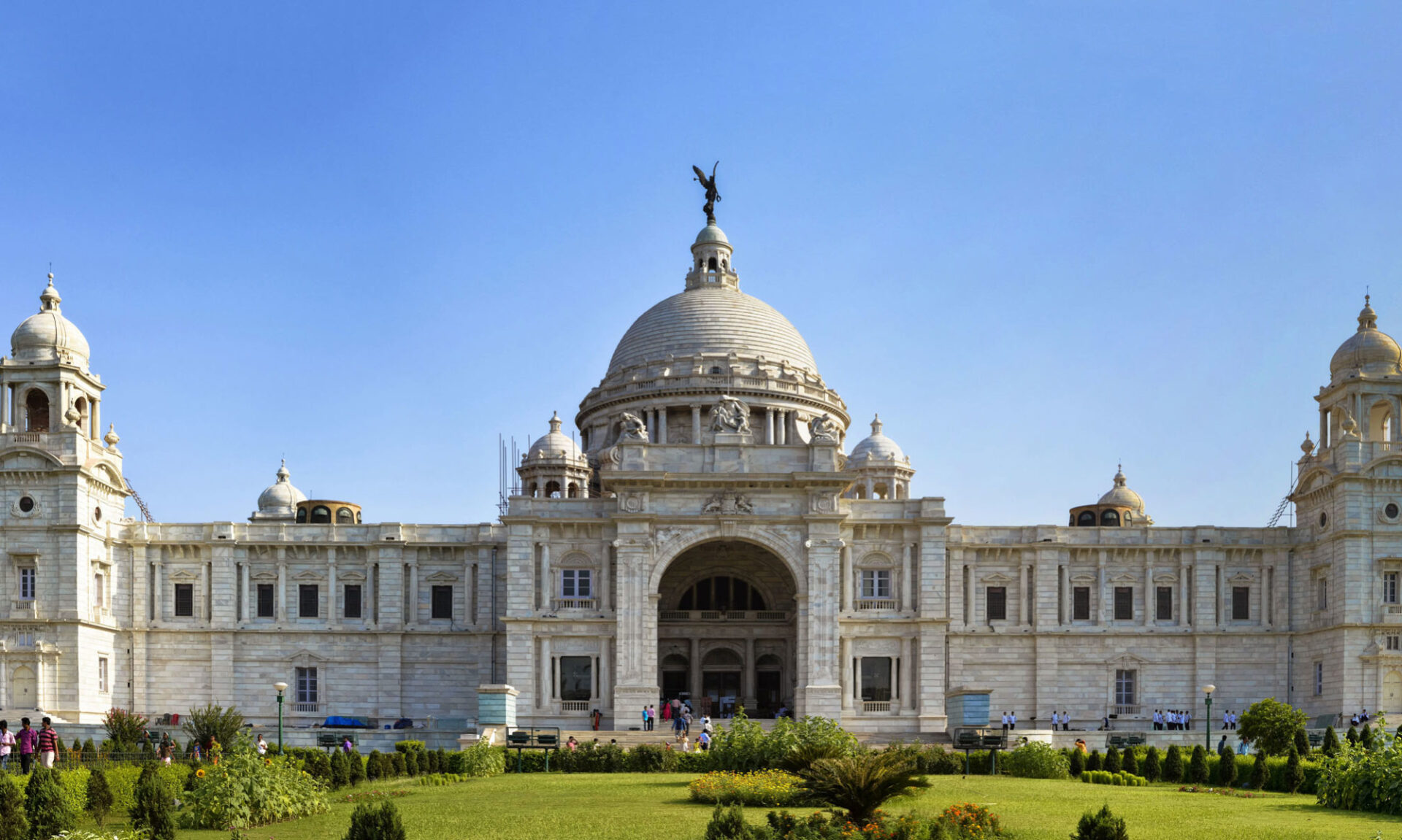
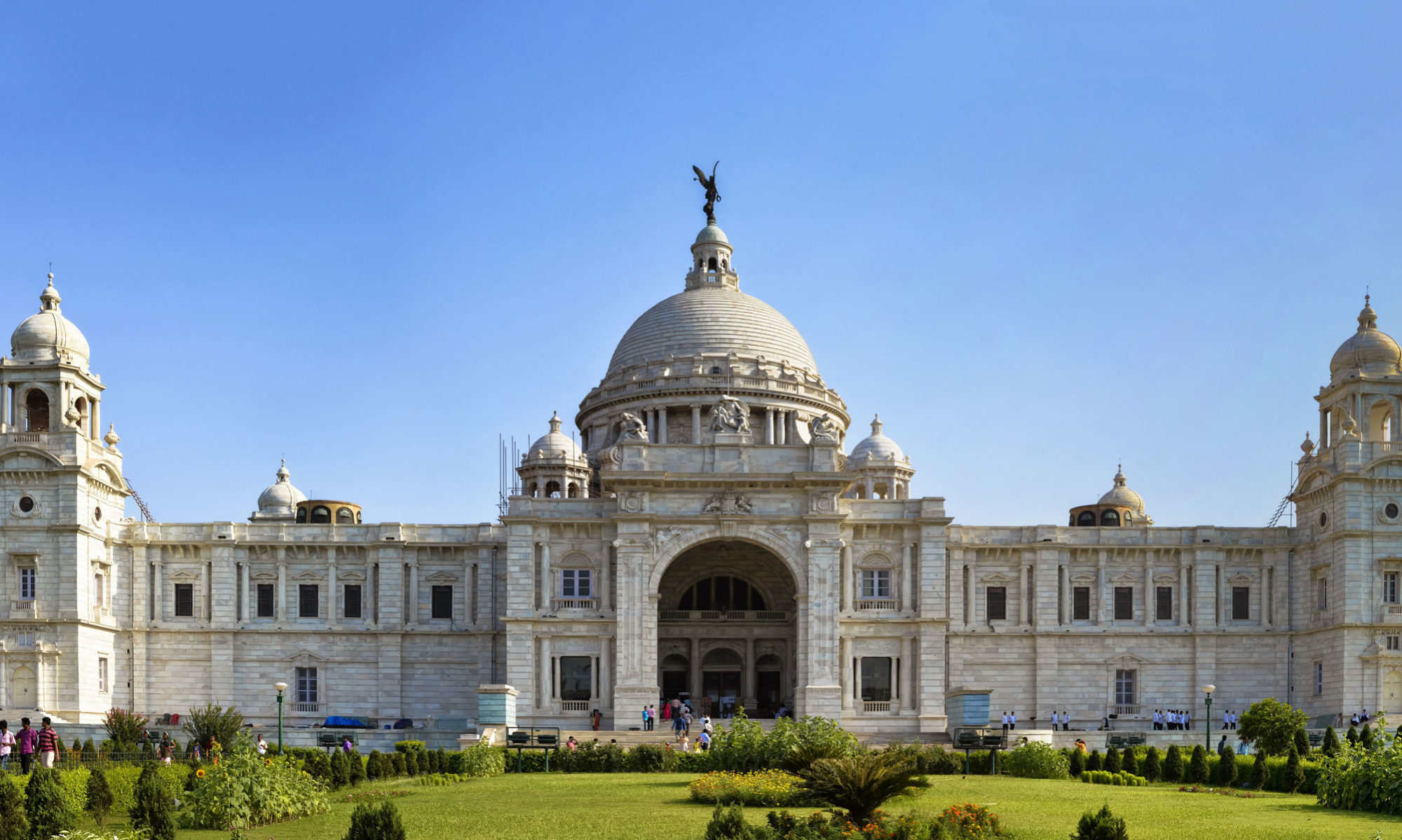
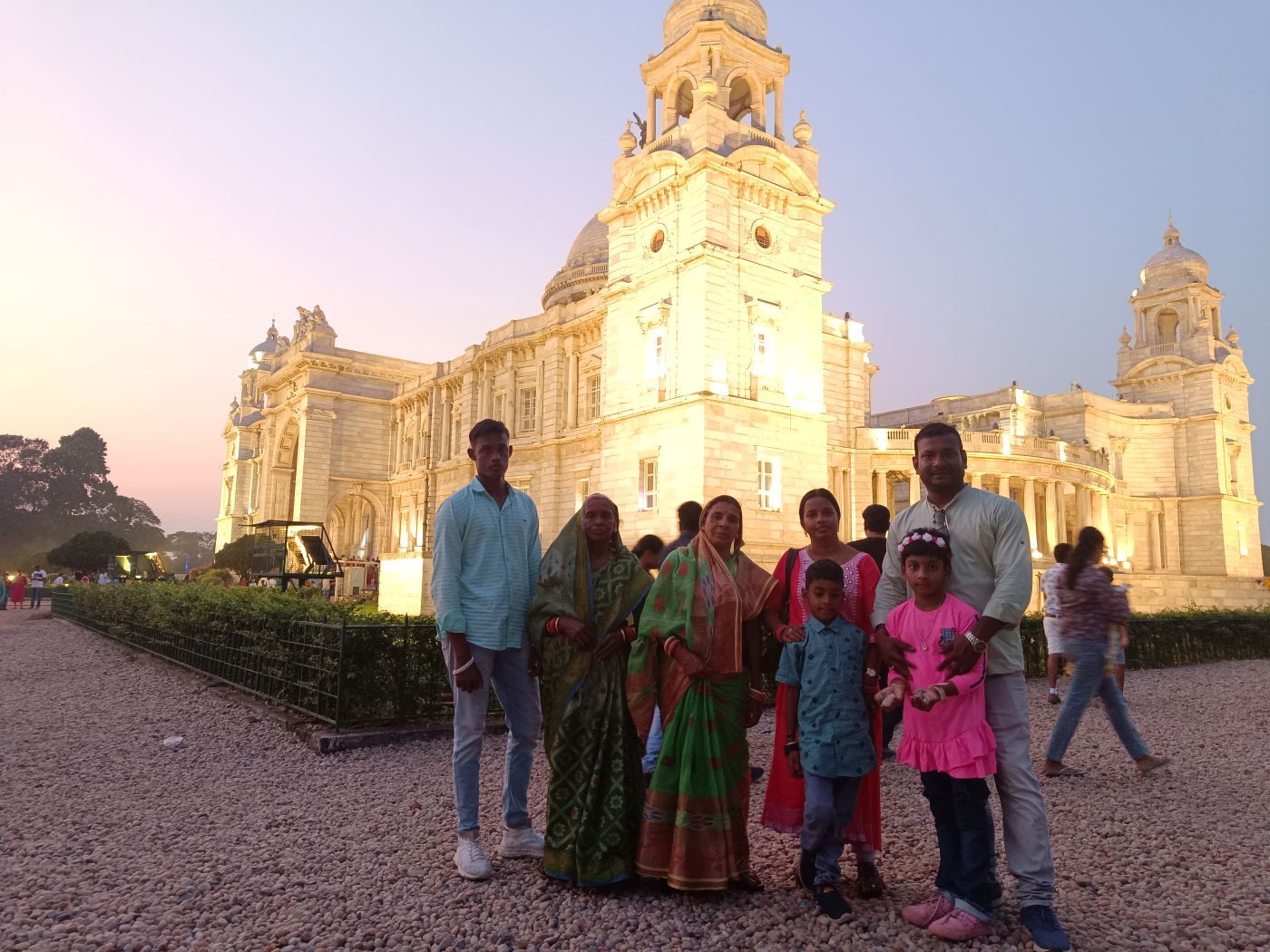
Victoria Memorial stands as Kolkata’s most magnificent architectural marvel and premier tourist destination, representing a unique fusion of British colonial and Indo-Saracenic design. Built between 1906 and 1921 in memory of Queen Victoria, this white marble monument houses one of India’s largest collections of British-era artifacts and serves as both a museum and cultural center. The memorial attracts over 5 million visitors annually with its sprawling 64-acre gardens, 25 galleries, and impressive collection of over 25,000 artifacts that chronicle India’s colonial history.

Victoria Memorial Kolkata: Complete Guide to India’s Most Magnificent Colonial Monument

Victoria Memorial stands majestically in the heart of Kolkata as one of India’s most spectacular architectural monuments and the world’s largest memorial dedicated to a monarch. This stunning white marble edifice, conceived by Viceroy Lord Curzon and completed in 1921, serves as both a testament to colonial history and a premier cultural institution that attracts millions of visitors annually.

Victoria Memorial Kolkata History – From Royal Vision to National Heritage

Lord Curzon’s Grand Vision for Queen Victoria

The story of Victoria Memorial begins with Queen Victoria’s death on January 22, 1901, which prompted Viceroy Lord Curzon to envision a grand tribute that would serve as both a monument and a repository of Indian history. Curzon declared his intention to create “a building, stately, spacious, monumental and grand” that would chronicle the marvels of British India. His vision extended beyond mere commemoration, aiming to establish a national gallery and cultural center that would educate future generations about the imperial legacy.

Construction Timeline: 1906-1921

Construction began when the Prince of Wales (later King George V) laid the foundation stone on January 4, 1906. The ambitious project required 15 years of meticulous craftsmanship, with the main structure completed by 1921 when Prince Edward VIII formally opened it to the public. The memorial was funded entirely through voluntary contributions from Indian princes, British officials, and the public, totaling approximately ₹1,05,00,000.

Transformation from Imperial Symbol to Cultural Center

Following India’s independence in 1947, Victoria Memorial evolved from a symbol of British imperial power into a celebrated heritage site under the Ministry of Culture, Government of India. Today, it functions as the premier art gallery and museum in Kolkata, focusing on preserving and disseminating knowledge about 18th, 19th, and 20th-century Indian history.

Architectural Marvel – Indo-Saracenic Design Excellence

William Emerson’s Masterpiece Design

The memorial’s architectural brilliance stems from Sir William Emerson’s innovative Indo-Saracenic design, which masterfully blends British classical elements with Mughal and Indian architectural traditions. The structure measures 338 by 228 feet and rises to an impressive height of 184 feet, deliberately designed to exceed the Taj Mahal’s central chamber diameter.

White Makrana Marble Construction

The entire monument is constructed from pristine white Makrana marble sourced from the same Rajasthan quarries that supplied stone for the Taj Mahal. The memorial required approximately 1,96,000 cubic feet of marble, giving it its distinctive luminous appearance that changes dramatically throughout the day.

The Angel of Victory and Central Dome

Crowning the magnificent central dome stands the iconic 16-foot-tall Angel of Victory, weighing 3 tons and crafted in bronze. This remarkable statue rotates when wind speeds exceed 20 kmph, serving as both an artistic masterpiece and a functional weather vane. The angel holds a laurel wreath and trumpet, symbolizing triumph and glory.

Victoria Memorial Museum – Treasures of British India

25 Galleries and 50,000 Artifacts

The museum houses an extensive collection of over 50,000 artifacts spread across 25 distinct galleries. Visitors can explore everything from oil paintings and watercolors to manuscripts, weapons, and personal belongings of historical figures. The collection provides comprehensive insights into colonial administration, Indian freedom movements, and cultural heritage.

Royal Gallery Highlights

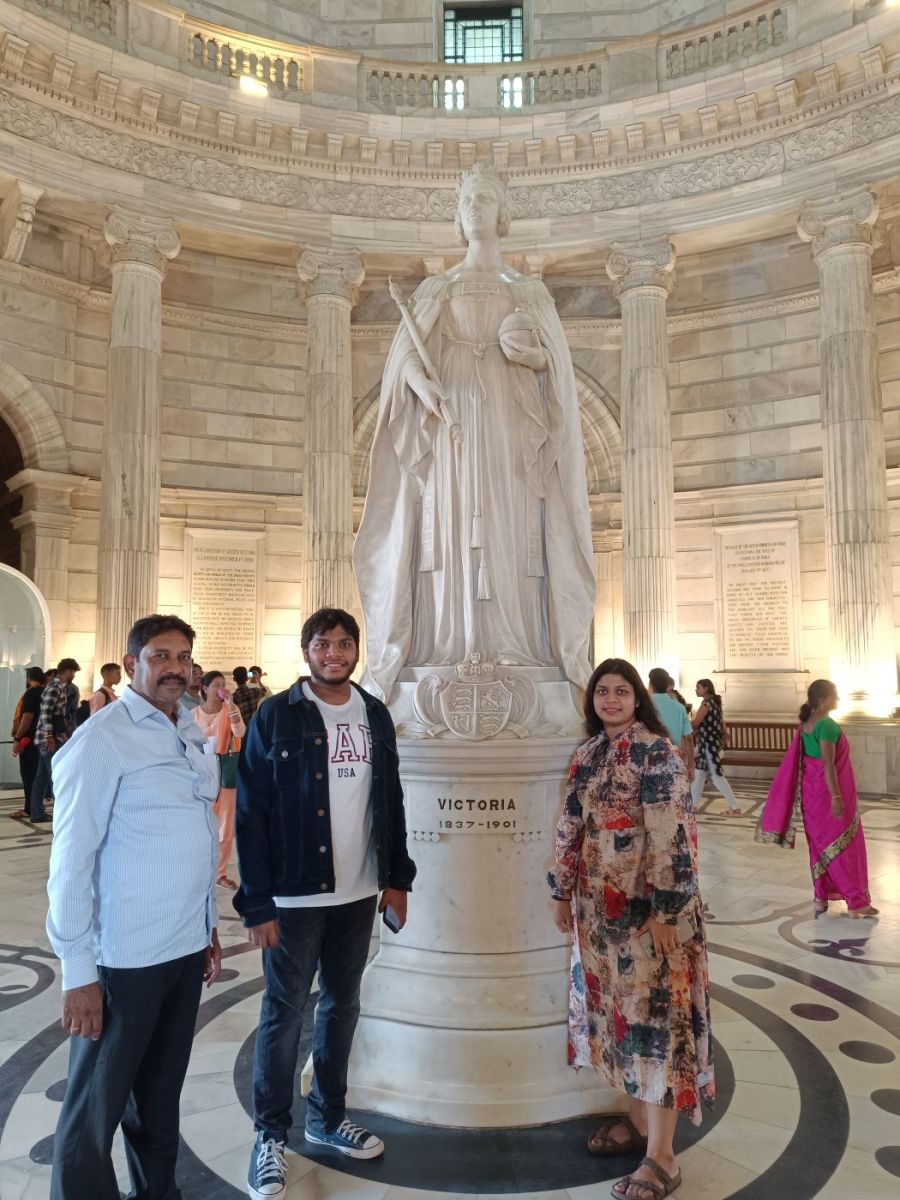
The Royal Gallery showcases Queen Victoria’s personal artifacts, including her childhood pianoforte, writing desk, and chair from Windsor Castle. Portraits by renowned artists and twelve canvas lunettes by Frank Salisbury depicting key moments in Victoria’s life create an immersive royal experience.

Freedom Struggle Collections

The museum features significant collections related to India’s independence movement, including artifacts from the Indian National Army, personal belongings of Netaji Subhash Chandra Bose, and uniforms of the Rani Jhansi Regiment. These exhibits provide balanced perspectives on India’s journey to freedom.

Victoria Memorial Gardens – 64 Acres of Landscaped Beauty

Garden Design and Layout

The memorial is surrounded by meticulously maintained gardens spanning 64 acres, designed by Lord Redesdale and Sir David Prain. The landscape features formal flower beds, tree-lined pathways, and the famous French Garden decorated with marble busts of notable personalities.

Fountains and Water Features

The gardens include beautiful water bodies and fountains that create perfect reflection opportunities for photography enthusiasts. The large Kanchantala water body offers boating facilities for children and serves as a peaceful retreat area.

Photography Opportunities

The gardens provide exceptional photography opportunities, particularly during golden hour when the white marble creates stunning contrasts against the landscaped backdrop. Photography is permitted throughout the garden areas, though restrictions apply inside the museum galleries.

Victoria Memorial Timings and Entry Information

Museum and Gallery Hours

Victoria Memorial galleries operate from 10:00 AM to 6:00 PM, Tuesday through Sunday. The museum remains closed on Mondays and designated national holidays including Republic Day, Holi (Dol Yatra), Idu’l Fitr, Independence Day, Mahatma Gandhi’s Birthday, Dussehra (Vijay Dashami) and Christmas Day.

Garden Timings

The gardens welcome visitors daily from 6:00 AM to 6:00 PM, providing extended hours for morning walkers and evening visitors. Special annual passes are available for regular morning walkers at ₹2,000 (₹1,000 for senior citizens).

Entry Fee Structure

Museum entry fees are ₹50 for Indian nationals, ₹100 for SAARC country visitors, and ₹500 for other foreign nationals. Garden entry requires a separate ₹30 ticket, while school children in uniform and army personnel receive complimentary access.

Light and Sound Show Schedule

The spectacular light and sound show operates with seasonal timings: October to February shows run from 6:15-7:00 PM, while March to June shows start 30 minutes later. Tickets cost ₹100 and free for children bellow 3 years.

Visitor Experience and Facilities

What to Expect During Your Visit

A typical visit requires 1-4 hours to fully explore the museum galleries and gardens. Audio guides enhance the experience by providing detailed historical context, while the memorial’s 25 galleries offer diverse themes from royal artifacts to freedom struggle memorabilia.

Photography Rules and Guidelines

Photography is permitted in garden areas but restricted within museum galleries to preserve artifacts. Flash photography and tripods are prohibited throughout the complex. Recent policy changes have allowed limited photography in certain museum areas, excluding flash usage.

Visitor Amenities

The memorial provides essential amenities including clean restrooms, drinking water facilities, and cloakroom services at both main gates. A small museum shop offers souvenirs and educational materials for visitors.

How to Reach Victoria Memorial

Metro and Public Transport

The nearest metro stations are Maidan and Rabindra Sadan, both within walking distance of the memorial. Multiple bus routes connect the memorial to various parts of Kolkata, making it easily accessible via public transportation, Taxis and App-based cab services.

Victoria Memorial continues to captivate visitors with its architectural grandeur, rich historical collections, and serene gardens. Whether you’re a history enthusiast, architecture lover, or cultural explorer, this magnificent monument offers an unforgettable journey through India’s colonial past and artistic heritage.

Frequently Asked Questions About Victoria Memorial

Q: What are the Victoria Memorial timings?
A: Victoria Memorial museum is open from 10:00 AM to 6:00 PM, Tuesday to Sunday. Gardens are open daily from 5:30 AM to 6:15 PM.

Q: What is the entry fee for Victoria Memorial?
A: Museum entry costs ₹30 for Indians, ₹100 for SAARC countries, and ₹500 for other foreign nationals. Garden entry is ₹20 per person.

Q: Is photography allowed in Victoria Memorial?
A: Photography is permitted in the gardens but restricted inside the museum galleries. Flash photography and tripods are prohibited.

Q: How much time is needed to visit Victoria Memorial?
A: Plan for 2-4 hours to thoroughly explore both the museum galleries and gardens.

Q: What is the best time to visit Victoria Memorial?
A: Visit during November to February for pleasant weather. Early morning or late afternoon visits offer the best lighting for photography.

Q: Is there a light and sound show at Victoria Memorial?
A: Yes, seasonal light and sound shows run in Bengali and English with varying timings. Tickets cost ₹20 for adults and ₹10 for children.

Q: Can I carry food inside Victoria Memorial?
A: Food is allowed in the garden areas but prohibited inside the museum galleries.

Q: Are pets allowed in Victoria Memorial?
A: Pets are generally not permitted inside the museum, though policies may vary for garden areas.

Q: What are the nearest metro stations to Victoria Memorial?
A: Maidan and Rabindra Sadan metro stations are the closest, both within walking distance.

Q: Is Victoria Memorial wheelchair accessible?
A: Yes, the memorial provides wheelchair accessible entry to accommodate differently-abled visitors.

Full Day Kolkata City Tour

Our Full Day Kolkata City Tour is most popular. In this Kolkata City Tours we will cover most of the important landmarks of the city. We can pick you up from your hotel before the tour.

Tour Details:

  • Trip Duration: 8 hours
  • Tour Starts: 09:00 am
  • Lunch Break: Yes
  • Entry Fees / Camera Charges: Not included.
  • Vehicle Parking and Toll Charges: Inclusive

Must See Kolkata (Drop and Visit):  Mother House, Flower Market, Victoria Memorial, Parasnath Jain Temple, Howrah Bridge, College Street (Boi Para) & Coffee House, Kumortuli – The Potters Colony.


Colonial Calcutta (Drive Pass): General Post Office, Shaheed Minar, Eden Gardens, Akashvani Bhawan, Writers’ Building, Raj Bhavan, High Court, Maidan, Town Hall, Race Course, Lal Dighi, St. Andrews Church.

For tour cost please contact us.

Name
Email
Format DD/MM/YYYY
Please mention your Hotel / Guest House name and if you would like to mention anything.

2 Days City Tour – Option One

Our 2 Day Kolkata City Tour is most popular. In this Kolkata City Tour we will cover most of the important landmarks of the city. We can pick you up from your hotel before the tour.

Tour Details:

  • Trip Duration: 8 hours each day
  • Tour Starts: 09:00 am
  • Lunch Break: Yes
  • Entry Fees / Camera Charges: Not included.
  • Vehicle Parking and Toll Charges: Inclusive

Continue reading “2 Days City Tour – Option One”

Gangasagar Tour

Gangasagar, also known as Sagar Island, is a small island located in the Indian state of West Bengal. The island is situated at the mouth of the Ganges River and is a popular pilgrimage site for Hindus, who come here to take a holy dip in the confluence of the Ganges and the Bay of Bengal.

The island is home to the Gangasagar Mela, one of the largest religious gatherings in India, which takes place annually on the day of Makar Sankranti (January 14th). The festival attracts millions of devotees from all over the country, who come to take a dip in the holy waters and offer prayers at the Kapil Muni Temple, which is dedicated to the sage Kapil Muni.

Apart from its religious significance, Gangasagar is also known for its natural beauty. The island is surrounded by the Bay of Bengal on one side and the Ganges on the other, and is home to several beautiful beaches and mangrove forests. The island is also a popular destination for birdwatchers, who come here to see a variety of migratory birds that visit the island during the winter months.

The island has a rich history and cultural heritage, and is home to several temples and shrines that are of great importance to Hindus. The most famous of these is the Kapil Muni Temple, which is believed to have been built by the sage Kapil Muni himself. The temple is a magnificent structure that is adorned with beautiful carvings and murals, and is a popular destination for pilgrims and tourists alike.

Gangasagar is also known for its lighthouse, which is one of the oldest in India. The lighthouse offers stunning views of the Bay of Bengal and the surrounding mangrove forests, and is a popular destination for tourists who want to see the island’s natural beauty.

In conclusion, Gangasagar is a beautiful and sacred island that is a must-visit destination for anyone interested in Indian culture and spirituality. Its stunning natural beauty, rich history, and cultural significance make it a popular pilgrimage site and tourist destination. Whether you are a nature lover, a history buff, or a spiritual seeker, Gangasagar has something to offer for everyone.

Tour Details:

  • Trip Duration: 12 hours
  • Tour Starts: 05:00 am
  • Lunch Break: Yes
  • Entry Fees / Camera Charges: Not included.
  • Vehicle Parking and Toll Charges: Inclusive

Continue reading “Gangasagar Tour”

Mayapur Tour

Mayapur ISKCON Temple, located in the town of Mayapur in the Nadia district of West Bengal, India, is one of the most revered pilgrimage sites for followers of the International Society for Krishna Consciousness (ISKCON) worldwide. The temple is dedicated to Lord Krishna and is a symbol of the Hare Krishna movement, which seeks to promote spirituality and love of God among people around the world.

The Mayapur ISKCON Temple is situated on the banks of the Ganges River and covers an area of over 340 acres. It is one of the largest temple complexes in the world and is a center of spiritual learning and devotion. The temple is renowned for its beautiful architecture, intricate carvings and stunning murals, all of which reflect the rich cultural heritage of India.

The temple complex houses several shrines and temples, each dedicated to different deities. The main temple, which is dedicated to Lord Krishna, is a magnificent structure that stands 113 feet tall and is adorned with beautiful carvings and murals. The temple is surrounded by lush green gardens and fountains, which add to its beauty and tranquility.

Mayapur ISKCON Temple is also home to the Samadhi Mandir, which is the final resting place of the founder of ISKCON, Srila Prabhupada. The Samadhi Mandir is a beautiful structure that is decorated with intricate carvings and beautiful murals, and is a place of pilgrimage for devotees from all over the world.

The temple complex also houses a range of facilities for visitors, including accommodation, dining, and shopping options. The temple’s restaurant, Govinda’s, is a popular destination for vegetarian food lovers, and offers a range of delicious and healthy dishes.

Mayapur ISKCON Temple is a center of spiritual and cultural activity, and hosts several festivals and events throughout the year. The temple’s most important festival is the Gaura Purnima festival, which celebrates the appearance day of Lord Caitanya, an important figure in the Hare Krishna movement. The festival attracts thousands of devotees from around the world, who come to Mayapur to celebrate and participate in the festivities.

In conclusion, Mayapur ISKCON Temple is a magnificent temple complex that is a symbol of the Hare Krishna movement and a center of spiritual and cultural activity. Its beautiful architecture, intricate carvings, and stunning murals, combined with its serene surroundings, make it a must-visit destination for anyone interested in spirituality, culture, and art.

Tour Details:

  • Trip Duration: 12 hours
  • Tour Starts: 07:00 am
  • Lunch Break: Yes
  • Entry Fees / Camera Charges: Not included.
  • Vehicle Parking and Toll Charges: Inclusive

Continue reading “Mayapur Tour”

Santiniketan Tour

Santiniketan is a small town located in the Birbhum district of West Bengal, India. The town is famous for its association with the Nobel laureate poet Rabindranath Tagore, who founded the Visva-Bharati University in Santiniketan in 1921.

Visva-Bharati University is one of India’s premier institutions of higher learning, and is renowned for its focus on art, culture, and humanities. The university offers undergraduate, postgraduate, and doctoral programs in a range of subjects, including literature, music, fine arts, social sciences, and natural sciences.

Santiniketan is also known for its rich cultural heritage and artistic traditions. The town is home to several museums and art galleries, which showcase the works of local artisans and artists. The town’s famous Poush Mela festival, held every year in December, is a celebration of folk art, music, and dance, and attracts thousands of visitors from all over the world.

Apart from its cultural attractions, Santiniketan is also known for its natural beauty. The town is surrounded by lush green forests and is home to several parks and gardens, including the famous Tagore’s Ashram, which is a popular tourist destination.

Tourism is an important industry in Santiniketan, and the town offers a range of accommodation options to cater to the needs of visitors. There are several hotels, guesthouses, and homestays in and around the town, which offer comfortable and affordable accommodation options.

In conclusion, Santiniketan is a charming town with a rich cultural heritage and a vibrant arts scene. Its association with Rabindranath Tagore, its world-renowned university, and its focus on art, culture, and humanities make it a must-visit destination for anyone interested in Indian culture and history. Whether you are a history buff, an art lover, or a nature enthusiast, Santiniketan has something for everyone.

Tour Details:

  • Trip Duration: 12 hours
  • Tour Starts: 07:00 am
  • Lunch Break: Yes
  • Entry Fees / Camera Charges: Not included.
  • Vehicle Parking and Toll Charges: Inclusive

Continue reading “Santiniketan Tour”

Bishnupur Tour

Bishnupur is a historically significant town located in the Bankura district of West Bengal, India. The town is renowned for its rich cultural heritage, exquisite terracotta temples, and beautiful handicrafts. Bishnupur is also known as the “Temple City” of India, owing to its numerous temples, each reflecting a unique blend of architecture and artistry.

Bishnupur’s history dates back to the 17th century, when it served as the capital of the Malla dynasty, a powerful Hindu kingdom that ruled the region for centuries. The Mallas were great patrons of art and architecture, and this legacy is evident in the temples and monuments that dot Bishnupur’s landscape.

One of the main attractions of Bishnupur is its terracotta temples. These temples are known for their intricate designs and exquisite craftsmanship, and are considered some of the finest examples of terracotta art in the world. The temples are dedicated to various Hindu deities, and each temple has a unique design and style.

Apart from the temples, Bishnupur is also famous for its beautiful handicrafts. The town is home to skilled artisans who specialize in creating intricate designs on pottery, textiles, and other handicrafts. The town’s famous Baluchari sarees, made from fine silk, are coveted by collectors and connoisseurs around the world.

Bishnupur is also a popular destination for music lovers, as it has a rich tradition of classical music. The town is home to many renowned musicians, and hosts several music festivals throughout the year.

Tourism is an important industry in Bishnupur, and the town attracts visitors from all over the world. To cater to the needs of tourists, the town has several hotels, guesthouses, and restaurants. The town also has good road and rail connectivity, making it easily accessible from nearby cities like Kolkata.

In conclusion, Bishnupur is a charming town with a rich cultural heritage and a vibrant arts scene. Its terracotta temples, beautiful handicrafts, and classical music make it a must-visit destination for anyone interested in Indian culture and history. Whether you are a history buff, an art lover, or a music enthusiast, Bishnupur has something for everyone.

Tour Details:

  • Trip Duration: 12 hours
  • Tour Starts: 07:00 am
  • Lunch Break: Yes
  • Entry Fees / Camera Charges: Not included.
  • Vehicle Parking and Toll Charges: Inclusive

Continue reading “Bishnupur Tour”

Parshwanath Jain Temple – Digambar

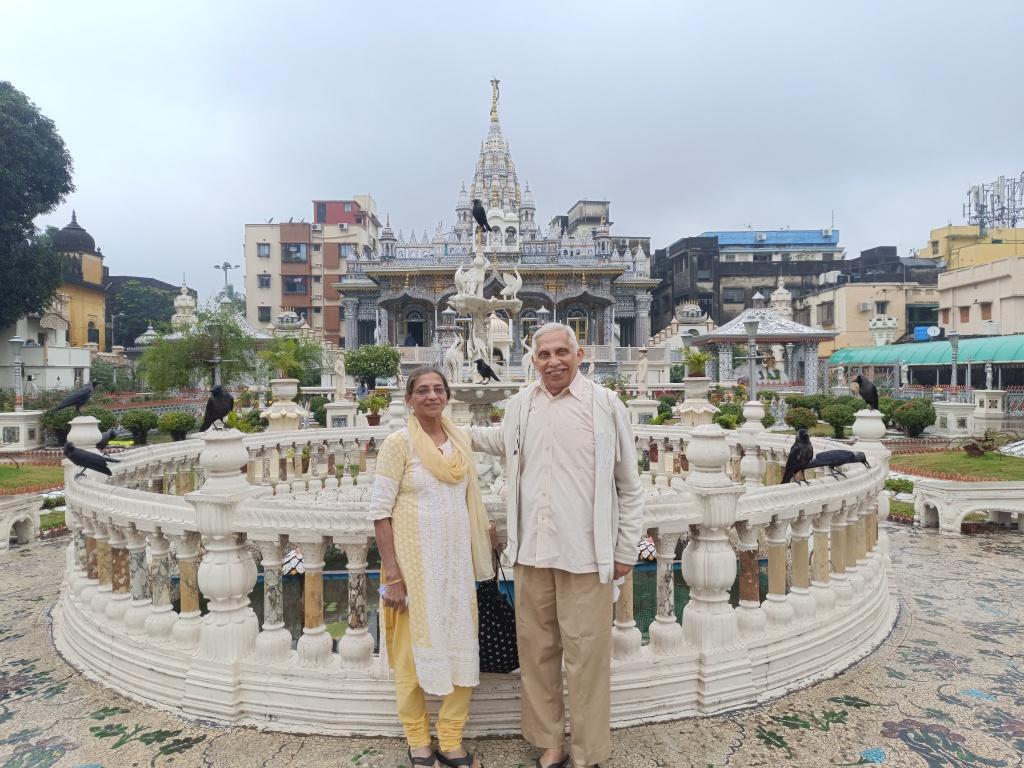
The Parshwanath Temple – Digambar was built in the year 1914 and it is the best religious ground for the Digambar Jain community. Digambar is one of the two essential ain sects and the other being Swetambar. The temple looks bright and glorious with the attractive red shade and the extravagant red entrance welcomes all the devotees within the temple premise. The place has the four sprawling gardens and these are best surrounded by the trees and the hedges and you can even find the flowering plants with flowers so bright and natural. One is sure to love the natural ambiance and prefer to spend time at the place.

Things Included within the Temple Premise

You have the fishes in the fish tank and the children would love to feed the rare species in water. You may even find some symbolic installations and these are like the cow and the tiger feeding from the similar waterhole. You would also love to see the sight of the fountains within the temple premise. There is even the stambha and this is constructed with the white marble. This stands just beside the radiant red temple. The temple also includes the religious inscriptions and these are sure to preach non violence and once you study the stambha you can easily get to know about the other aspects of Jainism.

Within the premise there are the other edifices and these are the quarters of the monks and there is the special building for the temple office. There is also the community locale and at the place various religious events are being organised.

The Temple Location

The Parshwanath Temple – Digambar has the perfect location and it stands at the region of Belgachia in Northern part of Kolkata in West Bengal.

The Digambar Principles

The Digambar community believes in complete abstinence. They don’t like the materials of the world. The Digambaras believe that inclination to materials increase dependency and there is more of sorrow due to the reason. The Digambaras for the reason to attain Moksha or liberation don’t even believe in wearing clothes. This is the basic life philosophy. However, the monastic practice is strictly meant for the males. The female Digambaras are known as sadhvis and they are also called Aryakas. The females are not allowed to do the practice and they are made to wear the white seamless attires.

The Age of the Temple

The age of Parshwanath Temple – Digambar is more than a century. The temple looks great amidst trees and flowers. The same was being renovated and reconstructed by Mr. Brown. He was the eminent architect of Victoria Memorial in the year 1914. The temple follows the artistic Nagara style and the ornamental pillars along with the stunning sculptures look great indeed. The style resembles the ancient Jain architecture of the caves. Here you get to see the main idol of Tirthankar Parshwanath and he was the 23rd Jain Tirthankar (877-777 B.C.). In fact, the specious temple also serves as a refuge and the resting ground for the tired travellers. This is the best place for you to rest and retire from the world at the same time.

Town Hall

The regal Town Hall was built in 1813 by architect Colonel John Garstin under the supervision of the British Government. It was built to specifically provide a space for societal gathering of the British settlers in Calcutta. The town is also famous for bearing witness to some historical events that took place under its roof. Since its restoration it is now used as an important public congregation hall.

Lal Dighi

The Lal Dighi is a historical spot in Kolkata. It was here that the infamous Battle of Lal Dighi was fought in 1756 between Siraj-Ud-Daula (Nawab Of Bengal) and the British Forces of the East India Company. This battle led to the legendary Battle of Plassey in 1757 that marked the supremacy of British Colonial rule in India. The Lal Dighi is now a prime landmark of Kolkata city.

The other name for Lal Dighi is Tank Square or Dalhousie Square. This is a water tank made by man and this was constructed before the starting of the British Era. The name Lal Dighi means Red Water. The same got the name because the water was turned red at the time of the Holi or the Dol festival. The British people called the same the Great Tank. This is the perfect water body being surrounded by the greens and this is the perfect spot where you can sit in tranquillity and catch fish. Around the Lal Dighi you have some of the famous heritage buildings of Kolkata and these are GPO, Writer’s Building, High Court, Andrew’s Church and the rest.

The Location of the Lake

Lal Dighi has a fantastic location. It is located at the place of B. B. D. Bagh. The nearest point of interest is the Calcutta High Court.

The Existential Relevance of the Tank

Lal Dighi Stands with the best historical details. It is true that there is no factual data in hand. However, the legendary stories will explain you the details of the existence of the water body. Some say that there was the existence of the Dighi at the time of Sabarna Roy Choudhury. He is a renowned Bengali aristocrat and he successfully ruled over the region. He had the famous court house and the temple and here was his family deity Shyam Rai. At the time of Dol Utsav or Holi the entire tank or river became red due to the spreading of the red abir. This took place before the coming of Job Charnock. This man is known as the founder of Calcutta. This was the period when the land was under the jurisdiction of the Kalikata Village. The court house was first taken on the basis of rent and later on it was being bought by the East India Company. Stories say that the reflection of the Red Fort made the water of the tank look so red. From here the same got its name Lal Dighi.

The Historical Significance of the Tank

You may have heard of Dutch admiral Stavorinus. He came to visit the settlement in the year 1770. At the time the tank was being lengthened and deepened in the year 1709 and the initiative was taken by the British Government. The government cleaned the tank thoroughly to turn the same as the reservoir of sweet water. The tank covers an area of 25 acres. The purpose of making the tank was to supply sweet drinking water to the inhabitants of Calcutta. This was an extensive tank and proper care was taken from the time of Warren Hastings. The responsibility of cleaning the tank was given to the professionals and the natives were not allowed to do the cleaning. The tank served as the source of drinking water to the European Community.

The Description of the Tank

Lal Dighi is also known as the Dalhousie Square Tank. The tank is fed by the rain water and by the natural springs. It is the central feature of the main Kolkata town plan. The picturesque quality of the tank is stupendous. It is being surrounded by edifices like the Reserve Bank, the Writer’s Building, the Telephone Bhavan and the GPO. It is more than a tank. It is a massive pond and the surrounding area is known as the Binay Badal Dinesh Bagh. The former name of the tank was Dalhousie Square.

error: Content is protected !!